

How Weather Affects Timing, Curing, and Long-Term Results
Weather plays a big role in driveway projects. Hot, cold, rain, and wind can all change how concrete sets and cures. If you pour at the wrong time, the surface may crack, scale, or cure too fast. Planning around the forecast helps protect your investment and gives you a strong, long-lasting driveway.
Why Prevention Matters
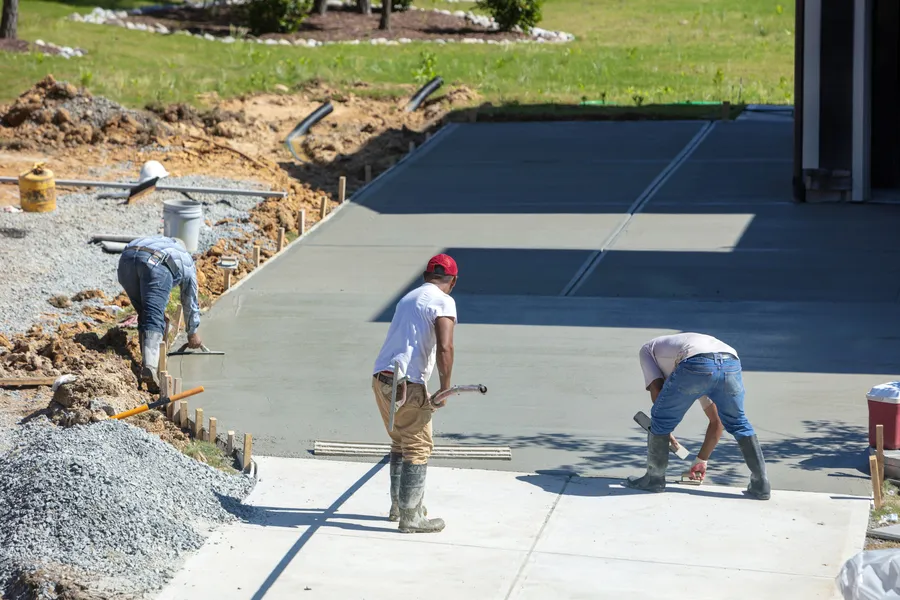
Concrete driveway installation is not just about pouring and smoothing. The curing process takes time and steady weather. If temperatures swing too much, the slab can shrink or expand too fast. This can lead to surface cracks and weak spots.
A driveway faces sun, rain, and freezing air year after year. Starting with the right weather window sets the base for better performance. Good planning also helps avoid delays and costly repairs later.
Early Warning Signs of Weather Problems
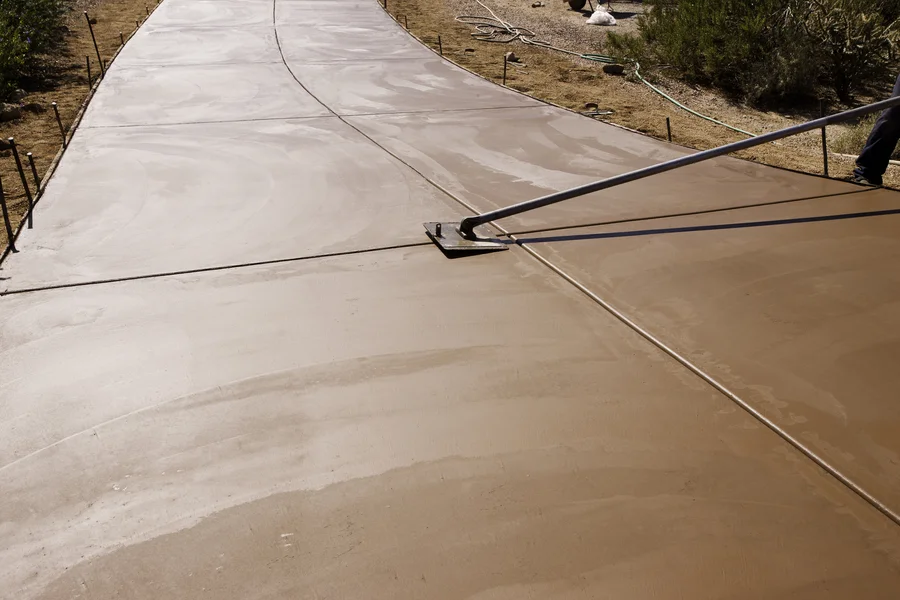
Weather issues may show up soon after the pour or months later. Watch for these signs:
- Small cracks forming within days
- A chalky or dusty surface
- Peeling or flaking on top
- Uneven color across the slab
- Soft spots that chip easily
These problems often connect back to heat, cold, or excess moisture during curing. Spotting them early can help limit further damage.
Seasonal Checklist for Better Results
Each season brings its own risks. Use this simple checklist when planning concrete driveway installation.
- Check the temperature range. Ideal air temps are usually between 50 and 85 degrees Fahrenheit.
- Review the overnight forecast. Cold nights can freeze fresh concrete.
- Watch for rain. Heavy rain can wash away the surface paste.
- Plan for shade in summer. Direct sun can dry the slab too fast.
- Prepare for wind. Strong wind pulls moisture out of the surface.
Spring and fall are often the best times for a new driveway. The weather is milder and more stable. Summer can work well, but crews must move fast and keep the concrete moist. Winter pours require special steps like heated blankets or additives.
Best Practices for Long-Term Results
The curing stage is just as key as the pour. Concrete does not dry like paint. It cures through a chemical process with water. Keeping the right moisture level helps it gain strength.
Here are smart steps that support strong results:
- Use a proper soil base with good drainage.
- Avoid pouring on frozen or soaked ground.
- Apply curing compound after finishing.
- Keep traffic off the driveway for at least a week.
- Seal the surface after full cure, if recommended.
In hot weather, the surface may need light misting to slow drying. In cold weather, insulated blankets can hold heat in. These small actions make a big difference over time.
What Not to Do During Installation
Many driveway problems start with rushed decisions. Avoid pouring concrete when:
- Heavy rain is expected within 24 hours
- Temperatures will drop below freezing overnight
- The ground is muddy or unstable
- A heat wave is at its peak with no shade plan
Do not let vehicles drive on fresh concrete too soon. Even if the top feels hard, the inside may still be curing. Placing heavy loads early can create cracks that never go away.
It is also wise to avoid skipping control joints. These planned cuts help manage natural cracking as the slab cures and shifts with weather changes.
When to Schedule Professional Help
Some weather challenges need skilled planning. If you live in an area with freeze-thaw cycles, timing matters even more. Water can seep into small gaps, freeze, and expand. Over time, this breaks down the surface.
If your project falls during very hot or cold months, a trained crew can adjust the mix and apply protective methods. For example, they may use air-entrained concrete in colder climates. This type handles freeze-thaw stress better.
Large driveways and decorative finishes also require careful timing. Stamped or colored surfaces can suffer if rain or heat hits too soon. A professional team will track forecasts closely and plan the pour day with care.
Plan Smart for a Stronger Driveway
Weather will always play a role in concrete driveway installation. The key is planning around it, not fighting it. Mild temperatures, stable forecasts, and proper curing steps lead to better strength and appearance. Taking the time to schedule right can add years to the life of your driveway.
Call for Expert Help With Your Driveway Project
If you are planning a new driveway in Thornton, CO, timing your project around local weather can make a big difference. At Munoz Masonry LLC, we plan pours carefully and use proven methods to protect your investment. We watch the forecast, prepare the base, and manage curing so your driveway lasts. Call us at (720) 343-4732 to schedule a consultation and let us help you choose the right time for your project.